Explore Our Data Dashboards
Take a deep dive into TRIP's data
.png)
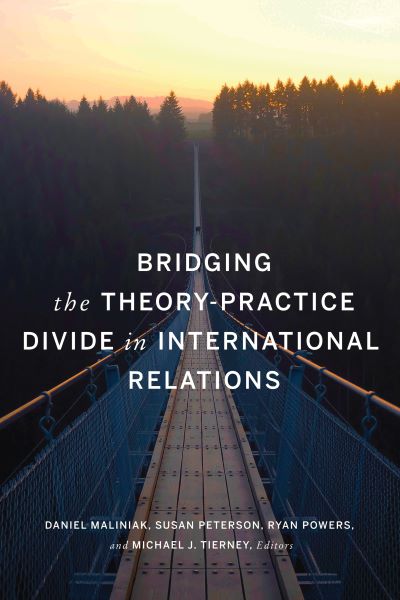
BRIDGING THE DIVIDE BETWEEN THEORY AND PRACTICE IN INTERNATIONAL RELATIONS
Teaching, Research & International Policy (TRIP) is a research lab at William & Mary's Global Research Institute, a multidisciplinary hub that brings together academics, practitioners, and students to apply research to real world issues. TRIP contributes to this mission by investigating the relationship between international relations theory and practice, and conducts research exploring how best to “bridge the gap” between them to address IR’s 21st century challenges.
Teaching
TRIP investigates how scholars teach IR to the next generation of scholars and policymakers. What paradigms and theories do they highlight? What is the purpose of an IR course? What are the best master's and doctoral programs in the IR field?
Research
TRIP is interested in how, why, and on what subjects individual IR scholars conduct their research, as well as broader trends in IR research at the macro level. TRIP surveys over the last decade, as well as a growing database of journal articles in the discipline, provide data on how scholars research international relations.
International
Policy
TRIP investigates how policymakers and practitioners in the field use and interact with IR scholarship. What interactions do scholars themselves have with the policy world? What do policymakers think is useful scholarship? And most importantly, how can scholars and policymakers bridge the gap in order to use research to solve international relations' most pressing problems?
IR scholars worldwide
Years spent bridging the gap
TRIP surveys fielded
Scholarly articles published using TRIP data
Take a deep dive into TRIP's data